Protect Your Property: The Real Cost of Poor Documentation
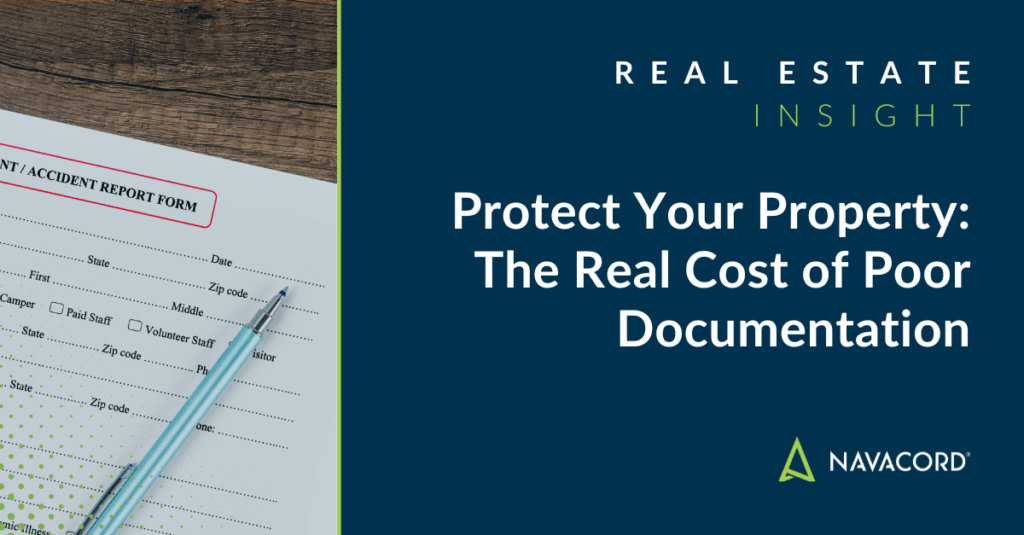
Slip and fall accidents are among the most frequent liability claims in real estate. They happen in commercial parking lots/sidewalks, and inside retail spaces, office buildings, and residential complexes.
These incidents can lead to expensive lawsuits, higher insurance premiums, deductibles and reputational damage.
Proper incident documentation is not just a formality it is a critical part of risk management.
The Hidden Risks in Real Estate
- Incomplete Documentation: Insurers require detailed reports to defend allegations of negligence. Insufficient documentation or missing information can make it more challenging to defend.
- Third-Party Contractors: Cleaning or maintenance contractors may share liability around a slip and fall. Third Party Contractors should provide evidence of Liability Insurance, name the Owner as Additional Insured, and contracts should not contain language that may limit the liability of a Contractor (ex) hold harmless agreements.
- Negligence Allegations: Courts look for evidence that owners took reasonable steps to prevent hazards. Poor records make it hard to prove compliance. Slip and Fall claims often get filed close to the 2-year Statute Limitation period purposefully, in hopes that an Owner isn’t able to produce documentation that would support the preventative actions they did take.
Why Documentation Is Your First Line of Defence
When an incident happens, time is critical. A well-documented report shows you acted promptly and responsibly. It creates a clear timeline, identifies witnesses, and captures conditions that may change quickly.
What to Include in an Incident Report
- Date, Time, and Location: Be precise. Include the exact spot where the incident occurred.
- Description of Conditions: Was the floor wet? Was there signage? Is the area well lit? Were there weather conditions that contributed to the fall? Was the snow removed and icy areas sanded/salted in a reasonable time? Did the injured party have proper footwear or have any condition that might have contributed to their fall?
- Note: it is ideal to keep logbooks of walk-throughs, snow/ice removal etc. (and if it is third-partied out, require your contractor to keep logs/photos).
- Witness Statements: Collect names and contact details. Their accounts can support your version of events.
- Photos and Videos: Visual evidence is powerful. Take multiple angles and include context.
- Immediate Actions Taken: Record any medical assistance and steps taken to secure the area.
Real-Life Example: A Costly Oversight
A retail property faced a $75,000 settlement after a customer slipped on a freshly mopped floor. The cleaning contractor had not placed warning signs. The property manager assumed the contractor’s insurance would cover the claim. But the contract lacked indemnity language, and the incident report was incomplete. The Property Owner’s Insurer bore the cost, the Owner incurred a deductible in addition to resultant premium increases on renewal.
This case shows why thorough documentation and clear contract language are essential.
Practical Tips for Property Owners and Managers
- Train Your Team: Staff should know how to complete reports accurately and promptly.
- Standardize Forms: Use a consistent template to avoid missing details.
- Review Contracts: Ensure service agreements include indemnity clauses and insurance requirements (including Additional Insured status in favor of the Owner).
- Audit Regularly: Review incident logs and safety protocols to spot patterns and prevent accidents.
- Use Technology: Digital tools make reporting faster and storage secure.
- Consult your Broker: Reporting an incident to your Broker does not mean you are making a claim. Your Advisor can review reports, discuss the incident and make recommendations based on the incident (and possible injury involved).
Conclusion
Slip and fall claims are more than an inconvenience. They can erode profitability and trust. By prioritizing incident documentation, you show due diligence, strengthen your defence against liability, and create a safer environment for tenants and visitors.
Risk is part of real estate. But, with the right processes, you can turn potential liabilities into manageable challenges. Documentation is not just paperwork—it is your shield against uncertainty.
To download the insight, click here.