Protecting Materials Beyond the Job Site
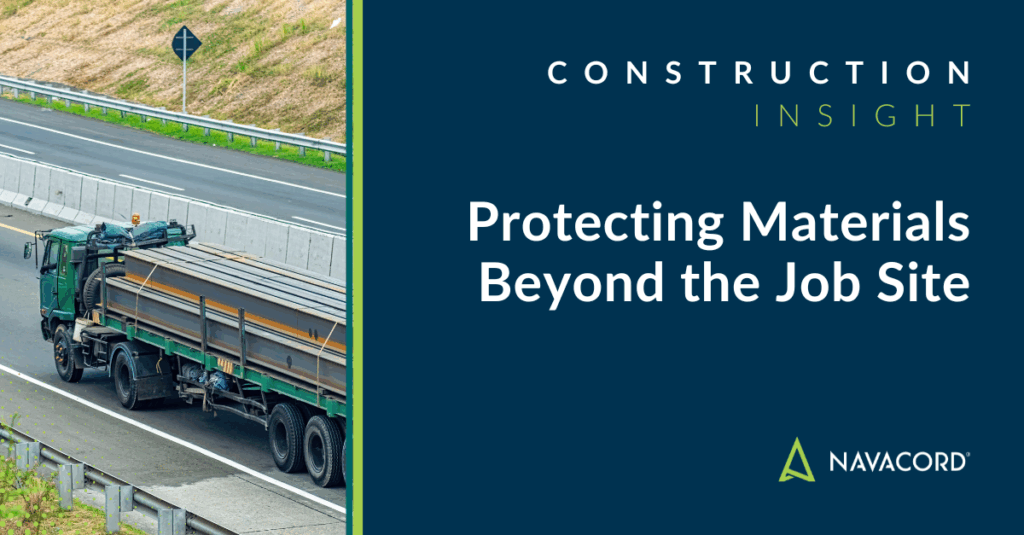
Construction projects rarely stay confined to a single site. Materials move from suppliers to job sites and often sit temporarily in laydown yards or storage facilities before installation. While these movements seem routine, they can expose builders and insurers to unexpected risks. Coverage gaps or restrictive sub-limits under a Course of Construction (COC) policy can lead to costly surprises if not properly addressed.
Why This Matters
Most COC policies include sub-limits for materials that are in transit or stored at unnamed locations. These limits are often significantly lower than the main project limit, meaning high-value materials could be underinsured during transport or while waiting at a temporary yard. While the overall project limit might seem sufficient, these sub-limits can be a fraction of that amount, leaving contractors vulnerable if high-value materials are damaged, stolen, or lost.
Large-scale projects amplify this risk. Prefabricated components, structural steel, and specialty equipment often represent millions of dollars in value and spend extended periods off-site. If these items exceed the sub-limit, a single incident could result in a major financial shortfall. This is especially relevant today, as supply chains grow more complex and materials travel farther, increasing exposure to theft, weather events, and transit accidents.
Unnamed Locations Are Common and Risky
Temporary laydown areas, storage yards, or third-party facilities are frequently used in large projects. If these locations aren’t specifically named in the policy, coverage may default to a sub-limit or exclude certain risks altogether. This can create exposure for both builders and insurers. Just-in-time delivery strategies, while efficient, mean materials are frequently in motion and less secure. Temporary storage yards, often chosen for convenience, may lack adequate security or environmental protections.
Geographic Limitations Add Another Layer
It’s important to note that the coverage afforded under most COC policies for in-transit materials typically applies only within continental Canada and the U.S. Materials shipped from outside North America, such as custom components manufactured overseas, would not be covered under the standard in-transit extension. This gap can be significant for projects relying on imported elements. Contractors should discuss these exposures with their broker to ensure additional coverage or endorsements are in place before materials leave the factory.
Real-World Example
A Western Canadian contractor recently faced a $250,000 loss when structural steel stored at an off-site laydown yard was damaged by flooding. The yard was not listed as a named location under the COC policy, and the sub-limit for unnamed locations was only $50,000. The result? The contractor absorbed a $200,000 shortfall, an avoidable hit had the location been declared upfront.
Practical Takeaways for Builders, Brokers, and Insurers
- Review COC Policies Early: Confirm sub-limits for in-transit and unnamed locations before materials start moving.
- Name Key Storage Locations: Where possible, list temporary yards or laydown areas in the policy to avoid restrictive sub-limits.
- Assess Material Value: Compare the value of high-cost items against sub-limits to ensure adequate protection.
- Communicate Proactively: Builders should inform brokers and insurers of any changes in storage or transport plans to maintain coverage integrity.
Conclusion
In-transit and off-site storage risks are often overlooked but can have major financial implications. By reviewing COC sub-limits, naming critical locations upfront, and addressing geographic limitations, builders and insurers can safeguard projects from unexpected losses. Proactive planning ensures that high-value materials remain protected from factory to final installation, keeping projects financially secure from start to finish.
To download the insight, click here